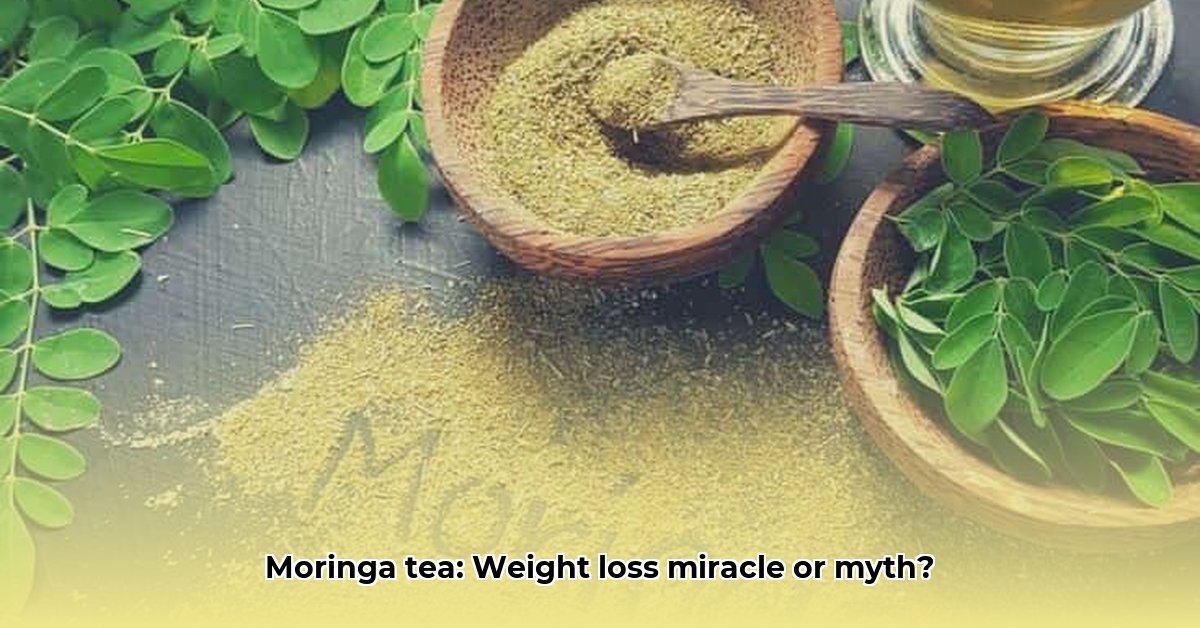
Moringa Tea for Weight Loss: Separating Fact from Fiction
Moringa, derived from the Moringa oleifera tree, has gained traction as a weight-loss aid, often incorporated into teas. While anecdotal evidence and marketing materials abound, the scientific backing requires closer examination. This review analyzes the current research on moringa tea and weight loss, exploring potential benefits, limitations, and the best approach for safe usage.
What's the Science Behind the Hype?
Moringa leaves are rich in vitamins, minerals, and antioxidants. Some animal studies suggest potential benefits in regulating blood sugar and improving lipid profiles (blood fat levels). However, translating these findings to human weight loss remains challenging. Large-scale, well-designed human studies are currently lacking. Existing research often involves small participant groups and varying methodologies, hindering conclusive interpretations. One must consider the bioavailability (how much your body absorbs) of moringa's beneficial components. Phytates, for example, can hinder nutrient absorption, potentially limiting the effectiveness of moringa's nutritional content. Furthermore, many moringa weight-loss products combine moringa with other ingredients, making it difficult to isolate the effects of moringa itself.
Weighing the Pros and Cons
The potential upsides and downsides of moringa tea for weight loss need careful consideration.
| Potential Benefits | Potential Drawbacks |
|---|---|
| Rich in vitamins, minerals, and antioxidants | Lack of robust human studies supporting weight loss claims |
| May improve blood sugar regulation (animal studies) | Uncertain bioavailability; nutrient absorption may be limited |
| May improve lipid profiles (animal studies) | Potential interactions with medications; consult your doctor before use |
| May contribute to overall well-being | Many products contain additional ingredients; difficult to isolate moringa's effect |
Expert Perspectives and Cautions
While some preliminary research hints at potential benefits, Dr. Anya Sharma, a registered dietitian at the University of California, San Francisco, cautions, "Existing evidence is insufficient to definitively claim moringa tea as an effective weight-loss solution. It is crucial to avoid overhyped marketing claims and focus on a balanced approach to weight management." The absence of large-scale human trials prevents firm conclusions.
Actionable Steps for Safe Moringa Tea Use
For those interested in incorporating moringa tea, a careful and measured approach is vital:
- Consult Your Doctor: Discuss moringa use with your physician, particularly if you have health conditions or take medication. Potential interactions need to be ruled out.
- Start Slowly: Begin with a small quantity of moringa tea and gradually increase your intake while monitoring for any adverse reactions or digestive discomfort.
- Prioritize a Holistic Approach: Moringa tea, if used, should complement a balanced diet and regular exercise. It's a support tool, not a standalone solution for weight loss.
The Bottom Line: Realistic Expectations
While moringa boasts impressive nutritional content, and some animal studies suggest potential metabolic benefits, definitive evidence supporting its effectiveness for human weight loss is lacking. More rigorous research is needed before conclusive statements can be made. Sustainable weight loss hinges on a balanced lifestyle, encompassing diet, exercise, and potentially, under medical guidance, carefully chosen supplements. Consult your healthcare professional for personalized advice.
Key Takeaways
- Moringa's weight-loss effects aren't definitively proven, but promising early research exists.
- Moringa's high nutrient and fiber content can support overall health and potentially aid in weight management as part of a broader strategy.
- Safe moringa incorporation necessitates a balanced approach, involving medical consultation and gradual introduction.
- Further research is crucial to solidify understanding of its weight-loss impact.
- Consumer caution is advised due to potentially exaggerated marketing claims.